THE WORKSHOP BLOG
From sketch to the first prototype.
A simple framework for turning an early idea into the next useful question.
Sample article · Placeholder content
Give the sketch a purpose
A sketch is a way to ask a question. It can explore where a control belongs, how a part might be supported or which movement matters most. It does not need to settle every dimension to be useful.
Writing a short note beside each sketch keeps the intention visible. Instead of treating a drawing as a finished answer, describe what the drawing is trying to clarify. That makes it easier to compare alternatives and return to the original idea later.
Choose one question for the prototype
The first prototype can have a narrow job. A simple model may explain the overall size or the space available for a hand. Another version may explore the movement of a mechanism. Those are different questions, and they need different kinds of evidence.
A prototype is most useful when its limits are understood. A rough model can support a conversation about arrangement without establishing the strength, accuracy or durability of a finished product. Keeping those distinctions clear makes the next decision more useful.
Record what changed
Iteration becomes easier to follow when each version has a short record: the question, the change and the observation. A photograph with a few notes can be more helpful than relying on memory.
Useful notes describe what was seen rather than assuming why it happened. An awkward reach, an obstructed view or a confusing adjustment can each become a focused question for the next version. The record connects the next drawing to something concrete.
Bring the idea back to the work
After several revisions, it helps to revisit the original task. Does the arrangement still give the workpiece enough space? Is the intended adjustment still clear? Has an added feature made a simple operation harder to understand?
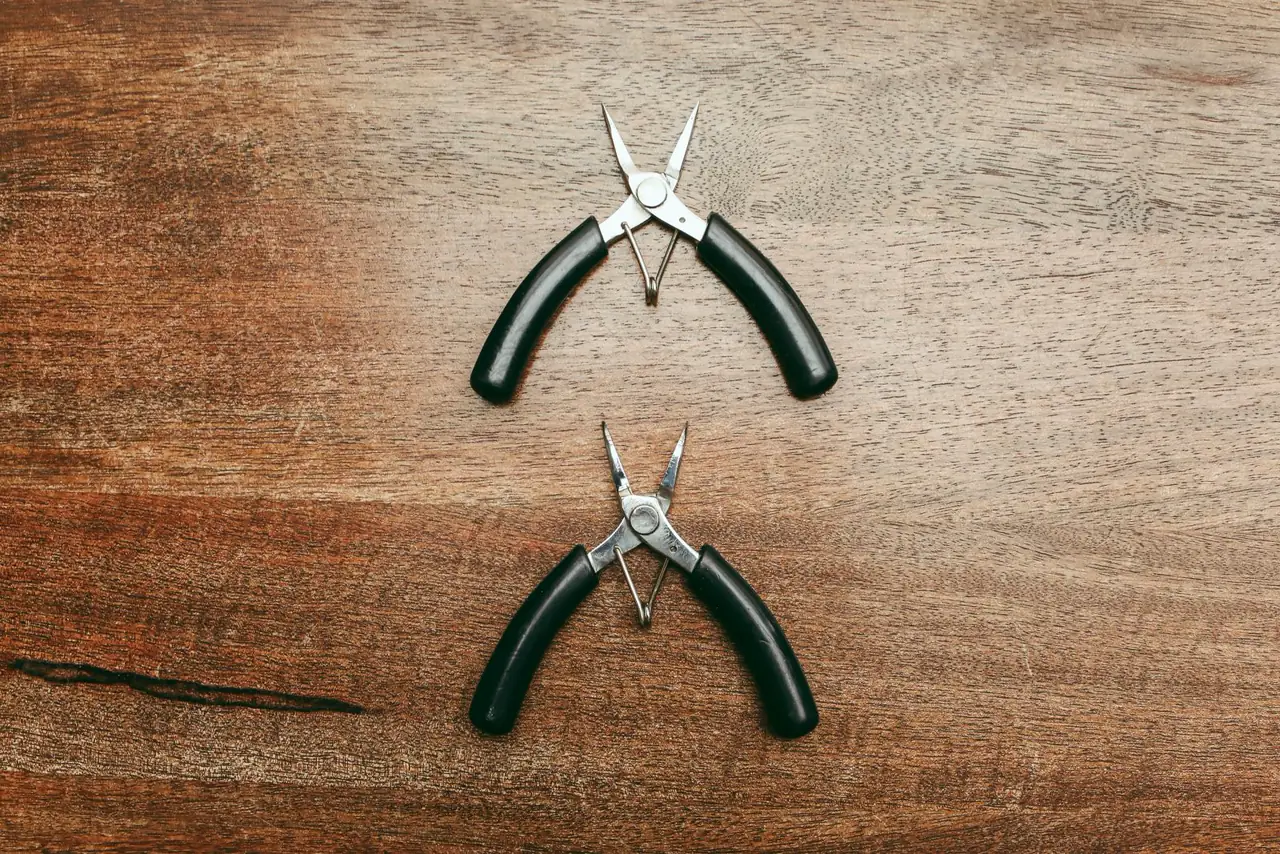
This placeholder entry sets out a possible format for future development stories: an original sketch, a prototype photograph and a short explanation of the next question. It makes no claims about a finished JITOLAB product or completed testing.
中文维护备注:本文为原创英文占位稿,不代表已完成的产品研发、测试或质量承诺;正式发布品牌故事时,请换成经过核实的实拍资料与实际记录。